
Oct
11Medication Management and Support Service Pilot Study: Summary of Research Results
October 2011
Problem statement
Medication non-compliance is a major contributor to poor health outcomes. With an aging population and a move towards self-care, there is a need to develop services that enable people to remain safe and supported in their own homes.
Pilot study
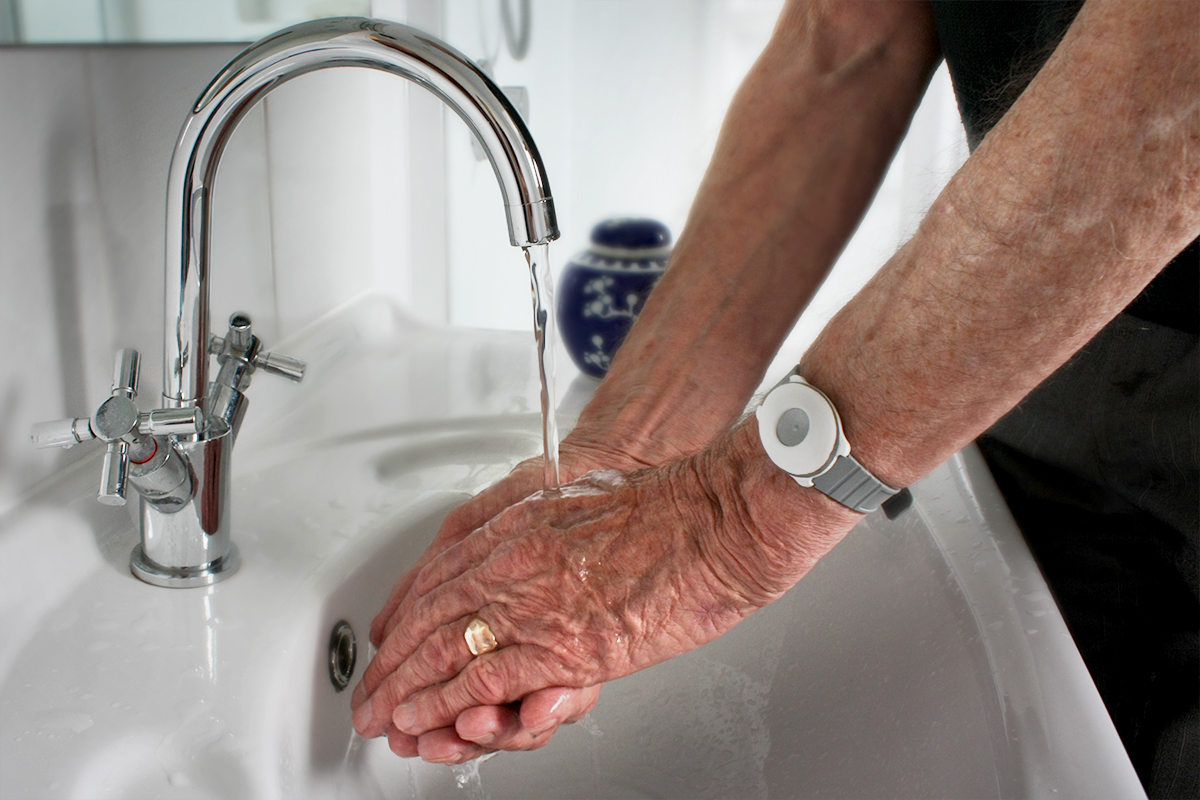
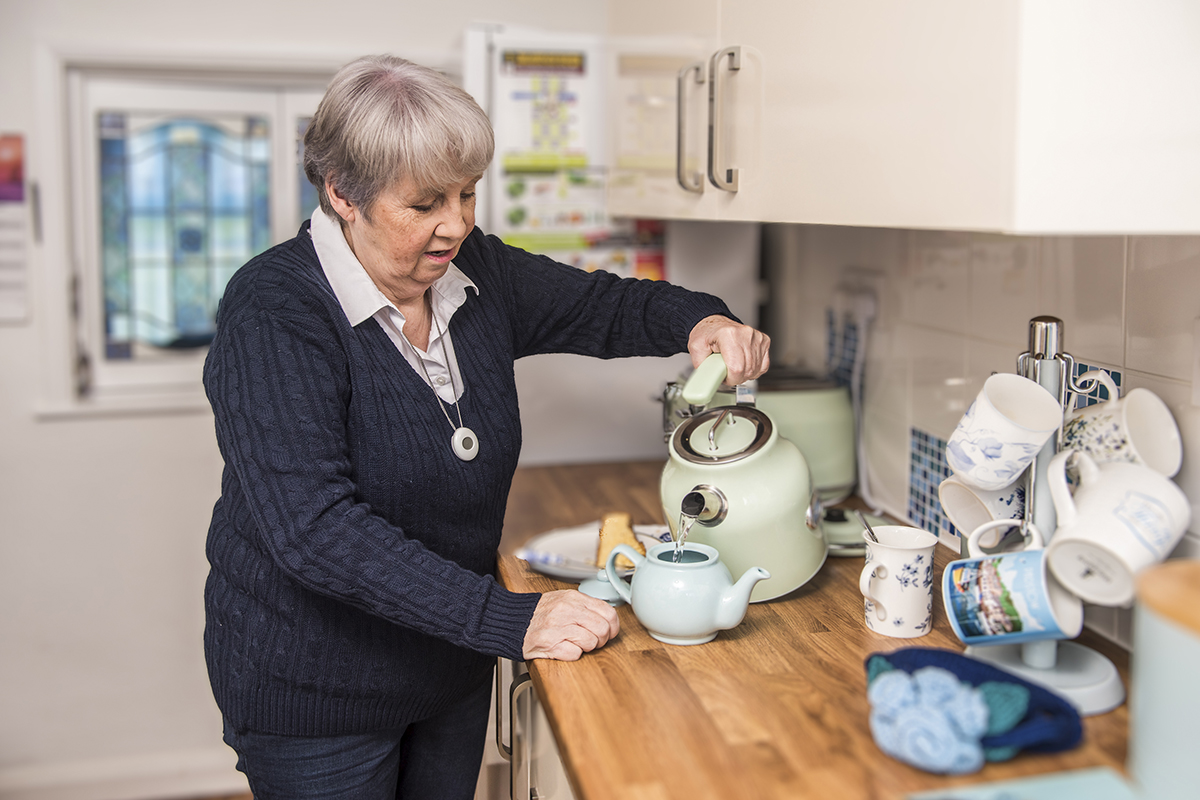
The Medication Management and Support Service study was established to determine the usability, acceptability and effectiveness of a new specialist monitoring service that was developed with the aim of improving medication compliance. The service, consisting of an in-home automated reminder system supported by a monitoring service, was trialed by a cohort of elderly people living independently in the community.
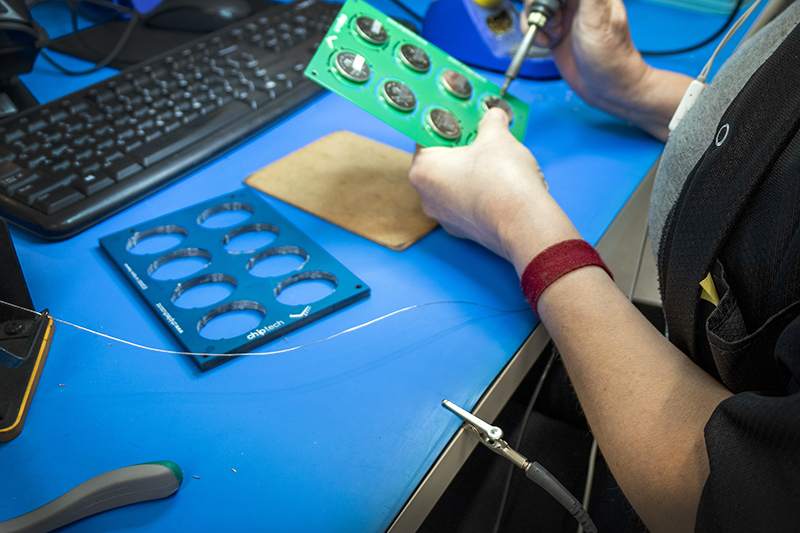
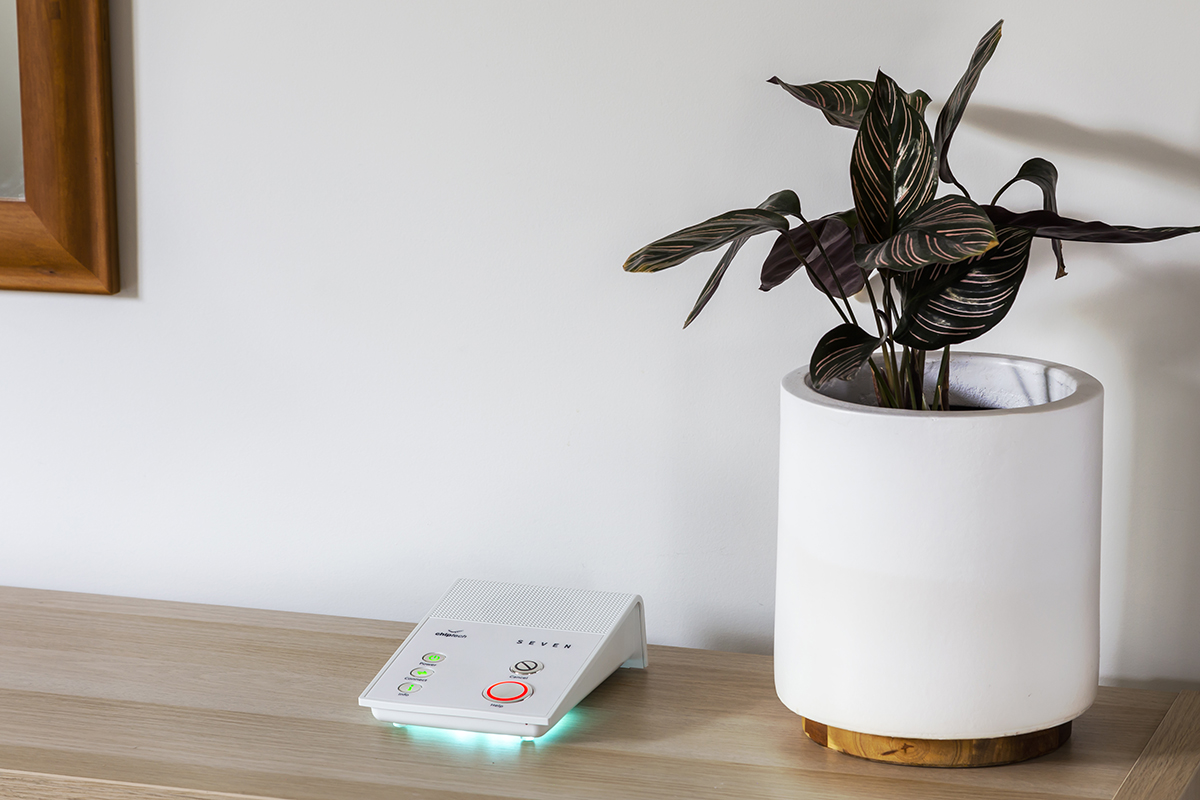
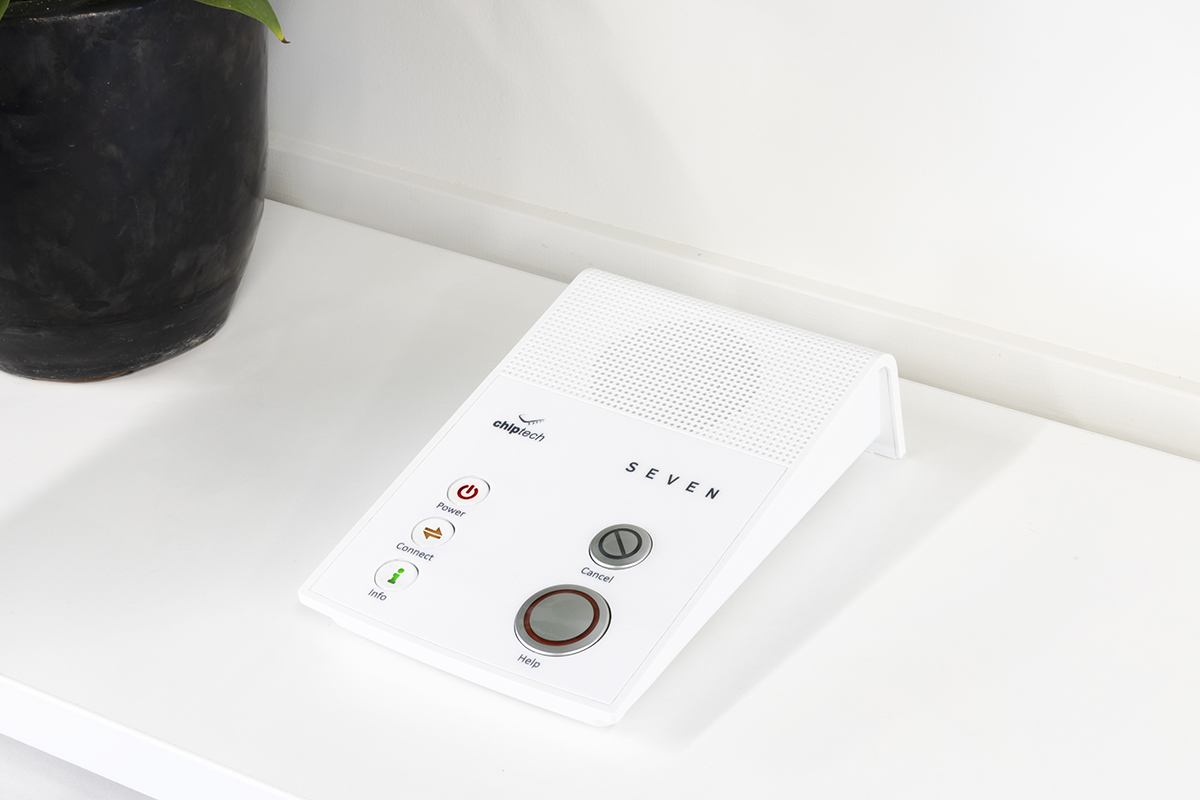
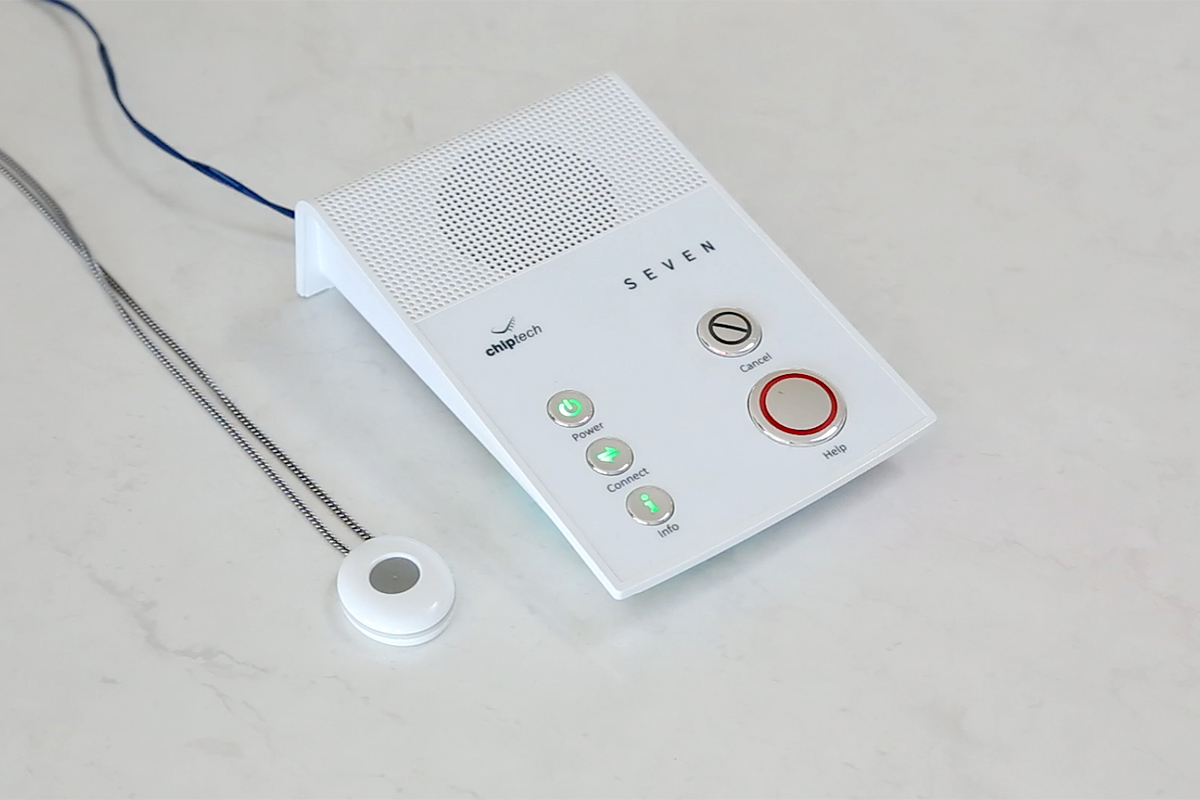
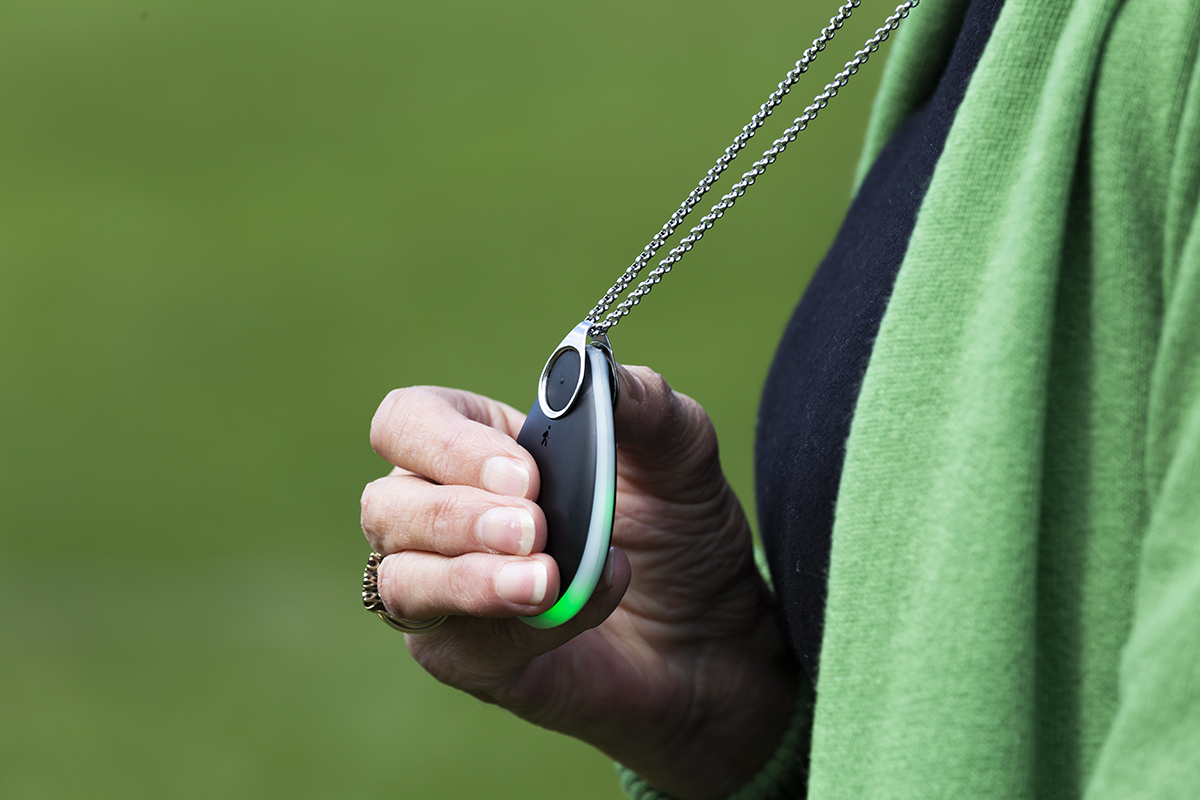
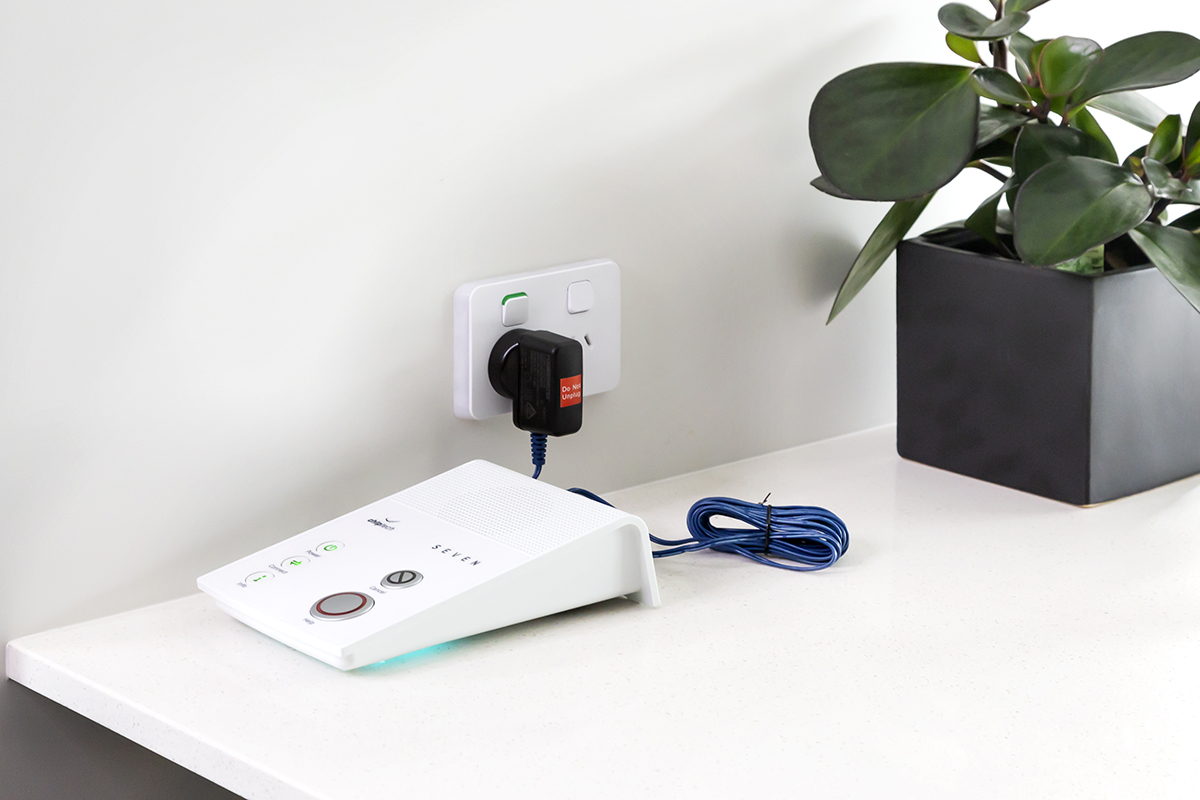
Chiptech, a Christchurch (NZ) based electronics design and build company, specialising in Telecare and Telehealth developed a Personal Response Unit (PRU) which can be programmed to provide an audible and visual reminder to prompt people to take their medications at the right times. PRUs were installed in the homes of study participants and where reminders were not acknowledged, the PRU alerted the monitoring support provider (St John) who then called back to discuss any issues and encourage better compliance.
The service was piloted in Christchurch during 2011. Doctors from five medical practices recruited 31 study participants aged 70+, on multiple medications. A St John representative, accompanied by a study pharmacist, programmed each PRU according to medication times provided by each study participants’ doctor. The service was trialed for an eight week period. Questionnaires were administered at the start of the study and at the end to measure changes in medication compliance and perceived quality of life.
Ethics approval for the study was obtained from The Upper South Ethics Committee (reference number: URB/10/10/036).
Results for health professionals
-
There was a significant improvement (p=0.012) in the rate of self-assessed medication compliance – from pre (52%) to post (81%) service introduction.
-
There was a significant improvement in people’s perceived ability to look after themselves at home (self-care ability) (p=0.001). The percentage of participants rating their ability to look after themselves at home as ‘excellent’ increased from 42% to 68%.
-
Health-related quality of life measures, such as physical and mental health, showed positive improvement, however these changes did not reach statistical significance.
Study limitations
The main limitation of the study was that the sample size of 31 was too small to be statistically representative of a wider population. The timing of the study coincided with three major earthquakes in the Canterbury region and this had a severe impact on study milestones and recruitment. Delays and subsequent rescheduling meant the target cohort of 60 was not achieved.
Commercial applications
All participants found the service easy to use and most found it helpful and acceptable. Improvements to the service have been identified and can be readily implemented.
Approximately a third of the participants indicated they would like to adopt the service. Of the study participants who indicated they were unlikely to adopt the service, the reason given was that they did not consider they needed assistance to remind them to take their medicines. However, results showed that medication compliance improved significantly over the duration of the study for participants in this group.
Adoption of the service will depend upon marketing and promoting the service in a way that targets and attracts those most likely to benefit.
Medication management and support service potential
A medication reminder, supported by a monitoring service, has the potential to significantly improve medication compliance, to increase people’s ability to live independently and also improve users’ quality of life.
Additional benefits of improved compliance could include a reduction in doctor’s visits and hospitalisations for the frail elderly; the likelihood that people will continue living independently for longer; and savings in pharmaceutical dispensing as medicine misuse will be reduced with improved oversight of medication regimes.
This study has been a good first step in identifying the potential for this service to improve health and wellbeing outcomes for people on multiple medications living independently in the community.
Research team:
-
Roger Parker, Director, New River Ltd.
-
Christopher Frampton, Associate Professor, University of Otago
-
Angela Blackwood, Pharmacist, Christchurch PHO.
-
Ady Shannon, Project Manager, Chiptech Ltd.
Special thanks to:
-
St John
-
Hoon Hay Medical Centre
-
ProMed Edgeware Doctors
-
Barrington Medical Centre
-
Papanui Medical Centre
-
Redcliffs Medical Centre
-
Foundation for Research Science and Technology
Recent News
Oct
11Medication Management and Support Service Study Summary ... read more
Jul
11Medication Management and Support Service Study ... read more
Mar
11Christchurch Memorial Day ... read more
Nov
10Pearl Range Test... read more
Jul
10Global Opportunities for the Personal Response Unit... read more
Jun
10Chiptech's Big Building Project Nears Completion... read more
Aug
09Medication Management and Support... read more
Nov
08CE mark for PRU... read more
Oct
08What a busy year!. Chiptech continues to experience growth... read more
Jul
08Export Success... read more
Feb
07Past, Present and Future. Looking back over the past six months...
read more
Mar
07Innovision Launch... read more
Jan
07Climbing the Bridge. The start of 2007... read more